
Last updated on April 18, 2026
Why 90% of Brands Die Before Their First Birthday (And How to Be in the 10% That Thrive)
Let me guess: You’ve got big dreams. You’re ready to build something. You’ve watched the success stories, seen the Instagram posts of entrepreneurs “living the dream,” and thought, “I can do that.”
But here’s the brutal truth nobody talks about: 90% of new brands fail within the first year.
Not because the product was bad. Not because there wasn’t a market. They fail because they skip the one thing that separates winning brands from forgotten ones: a real strategy.
Most people confuse activity with strategy. They:
- Pick a “cool” name without thinking about positioning
- Copy competitors instead of carving their own space
- Spend money on ads before they know who they’re talking to
- Launch a website that looks pretty but converts nothing
Then they wonder why nobody cares.
If you’re reading this, you’re already ahead. Because you’re about to learn the exact framework that turns ideas into profitable brands—the same process agencies charge $10,000+ to implement.
The pain is real: You’re stuck in analysis paralysis. You know you need a brand, but you don’t know where to start. You’re terrified of wasting money on the wrong tools, the wrong message, or worse—building something nobody wants.
The cost of waiting: Every day you delay, someone else is capturing your audience. Every week you spend “figuring it out,” you’re leaving money on the table. Your competitors aren’t smarter than you—they just started.
This masterclass will change that. By the end, you’ll have:
- A crystal-clear positioning strategy
- A framework for finding and speaking to your exact audience
- The tools (many free) to execute like a pro
- A 7-day and 30-day action plan to go from idea to launch
Let’s build something that lasts.
The Tools You Actually Need
Here’s where most beginners waste thousands of dollars. They buy every shiny tool, every course, every “must-have” software.
I’m going to save you from that mistake. Here are the essential tools, organized by what you actually need to build a profitable brand.
Foundation Tools (The Non-Negotiables)
1. Professional Website & Hosting
This is where everything lives. Your brand, your credibility, your income.
Here’s the truth: Your hosting can make or break your business.
I learned this the hard way. Let me tell you a story that cost me hundreds of dollars and almost killed my first real income stream.
My Personal Case Study: Why Bad Hosting Almost Cost Me My First Earnings
When I started, I did what everyone does. I bought a domain and hosting from GoDaddy because “that’s what you’re supposed to do.” Built a simple blog. Published articles. Started seeing traffic trickle in.
Then my world fell apart.
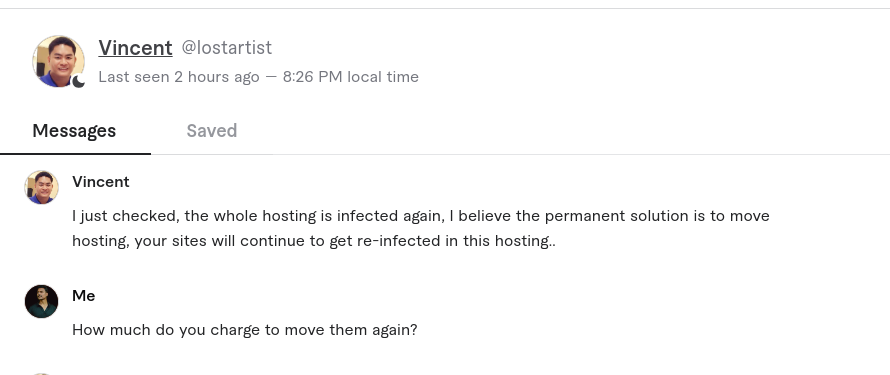
My site kept getting slammed with malware. Links I’d spent hours creating started redirecting to Russian scam pages. Visitors hit my site and bounced instantly because browsers flagged it as “unsafe.” My traffic would spike, then crater because nobody trusted clicking through.
GoDaddy’s “protection”? Useless. Their support? I waited 3-5 days for responses that never actually solved anything. They kept telling me to “run scans” that found nothing.
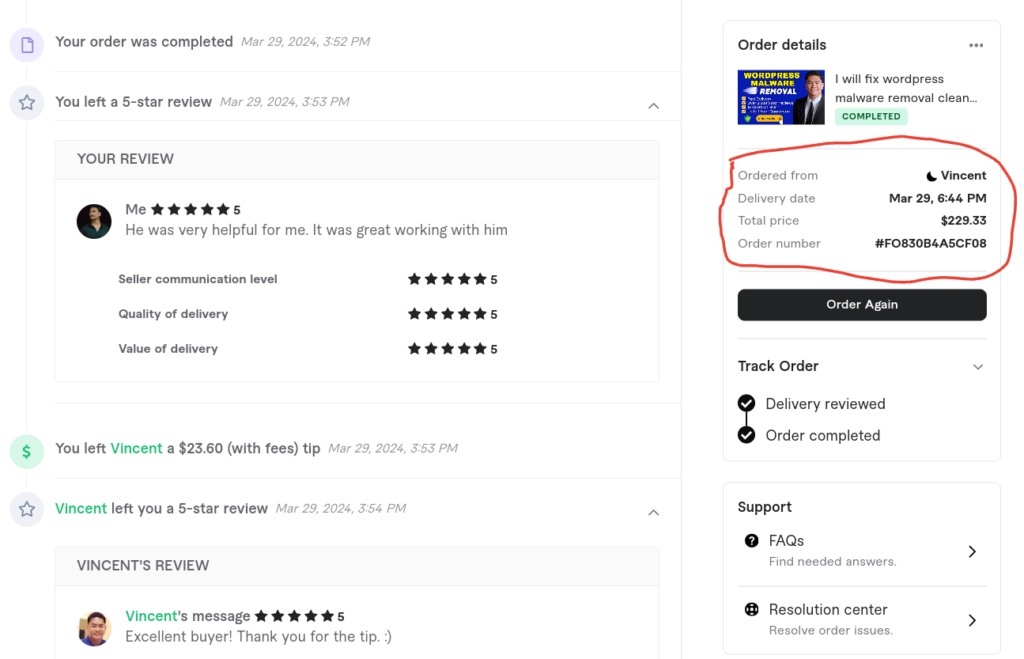
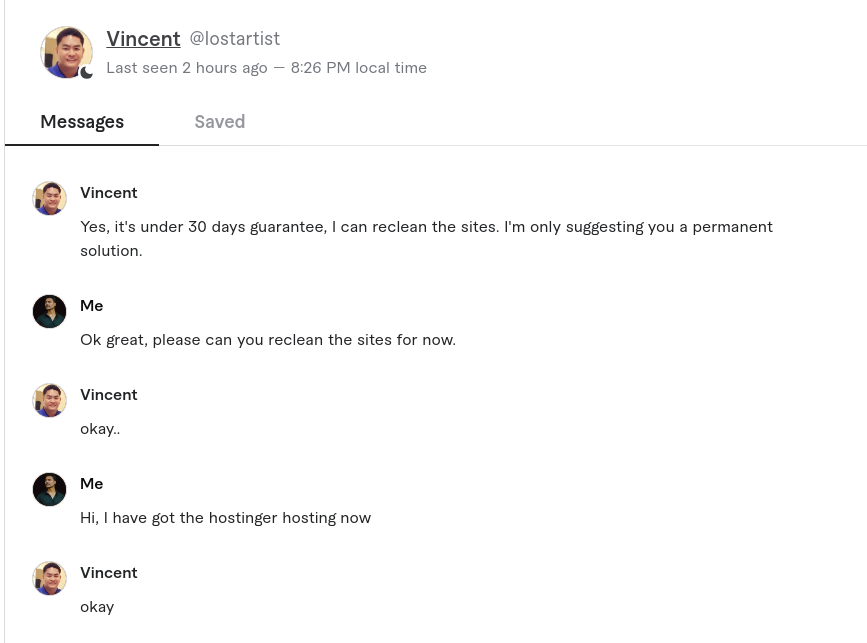
I had to hire a freelancer—$200 to clean the site. Two weeks later, the same virus issues came back. Another freelancer. Another $250. I was bleeding money, losing traffic, and watching my Pinterest momentum die.
A freelancer finally said: “Dude, move to Hostinger.”
I switched. And everything changed in 24 hours.
What Hostinger gave me that GoDaddy didn’t:
- Built-in AI malware scanner that automatically detects and removes threats before they spread
- Premium security included (not a $200/year upsell)
- Support that actually responds in minutes (not days)
- Lightning-fast speeds that kept Pinterest visitors engaged
- Half the price of GoDaddy for better features
My site stayed clean. My traffic started converting. I hit my first affiliate commissions within weeks because my landing pages actually worked.
The bottom line: If you’re building a brand that depends on traffic (and what brand doesn’t?), you cannot afford unreliable hosting. One virus attack, one day of downtime, one slow loading speed can cost you thousands in lost revenue and destroyed trust.
Start your Hostinger account here with my affiliate link — it’s the exact hosting I use for all my sites now. Use the link for up to 75% off your first term. Premium security, AI malware protection, and blazing speed included.
Why I only recommend Hostinger:
- Plans start at $2.99/month (less than a coffee)
- Free domain included
- One-click WordPress install
- Free SSL certificate (Google ranks secure sites higher)
- 30-day money-back guarantee
- 99.9% uptime guarantee
My specific recommendation: Get the Premium plan. It includes everything you need to run multiple brand sites, automatic backups, and unlimited bandwidth. Perfect for scaling.
The 3-Pillar Brand Strategy Framework (Steal This)
Pillar 1: Positioning — Own Your Corner of the Market
What is positioning? It’s the answer to: “Why should anyone choose you over everyone else?”
Most brands try to be everything to everyone. That’s a fast track to being nothing to no one.
Here’s the framework that works:
The Positioning Canvas:
- Who You Serve (Niche Down Ruthlessly)
- Bad: “I help entrepreneurs”Good: “I help solopreneur coaches who hate social media but need clients”
- The Problem You Solve (Be Specific)
- Bad: “I help you grow your business”Good: “I help you book 5+ sales calls per week without cold DMs or paid ads”
- Your Unique Mechanism (Your Secret Sauce)
- This is where most brands fail. They say “quality” or “customer service” (everyone says that).Your mechanism is HOW you deliver results differently.
- Proof (Results > Promises)
- Case studies
- Testimonials
- Your own story (yes, even if you’re just starting—more on this later)
Exercise: Fill in this sentence: “I help [specific audience] [achieve specific result] through [unique method] so they can [ultimate transformation].”
Example: “I help burned-out freelancers build automated sales systems through email sequences so they can work 20 hours a week instead of 60.”
Pillar 2: Audience Targeting — Speak to One Person, Not Everyone
Once you know your position, you need to know who you’re talking to at a soul-deep level.
The Audience Research Framework:
Demographics (The Surface Level):
- Age, location, income, job title
- This is where most people stop. Don’t.
Psychographics (Where the Money Is):
- What keeps them up at 3 AM?
- What do they scroll looking for?
- What have they tried and failed at?
- What do they believe is impossible for them?
Where They Hang Out:
- Reddit communities
- Facebook groups
- YouTube channels they binge
- Podcasts they listen to on repeat
- Instagram accounts they follow religiously
Their Language:
- What words do they use to describe their problems?
- What metaphors do they use?
- What do they complain about most?
Pro Tip: Spend 2 hours in your audience’s online spaces. Screenshot the complaints. Copy the exact phrases they use. Use those words in your messaging. This alone will 10x your conversions.

The Avatar Template:
Create one document that lives with you. Name your ideal customer (yes, literally give them a name—mine is “Sarah the Struggling Solopreneur”).
Write:
- Her biggest fear
- Her biggest dream
- What she’s tried before
- Why she’s skeptical
- What would make her trust you
When you write anything—emails, ads, content—you’re writing to Sarah. Not “entrepreneurs.” Not “my audience.” Sarah.
Pillar 3: Messaging — Say the Right Thing at the Right Time
You’ve got positioning. You know your audience. Now you need a messaging framework that converts.
The 3-Level Messaging Hierarchy:
Level 1: The Hook (Stop the Scroll)
- This is your “first impression” in ads, subject lines, video titles
- Should trigger curiosity or pain
- Examples:
- “I made $10K with zero followers (here’s the exact funnel)”
- “Why your website isn’t converting (and the 5-minute fix)”
- “The positioning mistake costing you 50% of your revenue”
Level 2: The Bridge (Build Trust)
- Prove you understand their problem
- Share your story or case study
- Show you’ve been where they are
- Introduce your solution as the natural next step
Level 3: The Close (Make It Easy to Say Yes)
- Clear call to action
- Remove friction (free trial, money-back guarantee, low barrier offer)
- Create urgency (limited spots, bonuses, price increase)
The Messaging Formula That Works:
- Call out the audience (“If you’re a coach who hates social media…”)
- Acknowledge the pain (“You’re stuck trading time for money…”)
- Present the dream state (“Imagine waking up to booked calendar…”)
- Show the bridge (“Here’s how [your solution] makes it possible…”)
- Remove objections (“No tech skills needed, works even if you’re starting from zero…”)
- Strong CTA (“Click here to [specific action]”)
Branding & Design Tools
2. AI Logo & Brand Identity Tools
Looka ($20 one-time for logo kit)
- AI generates hundreds of logo options based on your preferences
- Includes brand kit (colors, fonts, templates)
- Perfect for non-designers
- Alternative: Canva Pro ($13/month) — more than a logo tool, covers everything
Canva Pro ($12.99/month or $120/year)
- Brand kit storage (your colors, fonts, logos auto-load)
- 100+ million stock photos/videos
- Background remover
- Magic Resize (one design → 20 sizes instantly)
- Template library for everything
Figma (Free tier is solid, Pro is $12/month)
- Professional design tool
- Great if you want full control
- Learning curve, but powerful
My recommendation: Start with Canva Pro. It’s the best bang-for-buck and you’ll use it daily.
AI Writing & Content Tools
3. ChatGPT Plus or Claude Pro ($20/month)
- Write your positioning statements
- Generate content ideas
- Draft email sequences
- Create ad copy variations
- Refine your messaging
Copy.ai (Free tier available, Pro $49/month)
- Specifically trained for marketing copy
- Great for ads, product descriptions, sales pages
Grammarly Premium ($12/month)
- Catch errors that make you look unprofessional
- Tone suggestions for brand consistency
Marketing & Automation Tools
4. Email Marketing Platform
ConvertKit (Free up to 1,000 subscribers, then $9/month)
- Built for creators
- Easy automation
- Landing page builder included
- Tagging system for segmentation
MailerLite (Free up to 1,000 subscribers)
- Clean interface
- Great deliverability
- Drag-and-drop builder
5. Social Media Management
Buffer (Free for 3 channels, Pro $6/month per channel)
- Schedule posts across platforms
- Analytics
- Simple interface
Later (Free tier, paid from $25/month)
- Visual Instagram planner
- Best for visual brands
Analytics & Tracking
6. Google Analytics 4 (Free)
- Track website traffic
- See where visitors come from
- Understand behavior
7. Hotjar (Free tier available)
- See how people actually use your site
- Heatmaps, recordings, surveys
- Find what’s broken in your funnel
SEO & Traffic Tools
8. Ubersuggest (Free tier, $12/month for more)
- Keyword research
- Competitor analysis
- Content ideas
9. Pinterest Business Account (Free)
- If you’re driving traffic, Pinterest is underrated
- Longer content lifespan than Instagram/Twitter
- My primary traffic source
Your Execution Roadmap
The 7-Day Brand Launch Sprint
Day 1: Positioning & Naming
- Complete the positioning canvas
- Write your one-sentence brand statement
- Brainstorm 20 name ideas
- Check domain availability
- Pick your favorite
Day 2: Audience Deep Dive
- Create your customer avatar document
- Spend 2 hours in their online spaces
- Screenshot 20+ pain points in their own words
- List 10 places they hang out online
Day 3: Visual Identity
- Sign up for Canva Pro
- Generate logo options (or use Looka)
- Pick your brand colors (3-5 max)
- Choose 2 fonts (one header, one body)
- Create your brand kit in Canva
Day 4: Set Up Your Digital Home
- Get Hostinger hosting
- Install WordPress
- Choose a clean theme (Astra or GeneratePress are great)
- Set up basic pages: Home, About, Contact
- Install essential plugins (Yoast SEO, security plugin)
Day 5: Messaging Framework
- Write your hook (test 10 variations)
- Draft your About page story
- Create your first offer/lead magnet
- Write 3 email sequences (welcome, nurture, pitch)
Day 6: Set Up Your Marketing Stack
- Create ConvertKit account
- Set up lead magnet delivery
- Create social media accounts (pick 1-2 max)
- Set up Google Analytics
- Install Meta Pixel if using Facebook ads
Day 7: Launch
- Publish your first piece of content
- Share in 3 relevant communities
- Email your network (even if it’s small)
- Create your first social posts
- Celebrate 🎉
The 30-Day Brand Building Plan
Week 1: Foundation (Days 1-7)
- Follow the 7-day sprint above
- Add: Create content calendar for next 30 days
- Set up email automation flows
Week 2: Content & Traffic (Days 8-14)
- Publish 3 cornerstone pieces of content
- Create 10 Pinterest pins
- Guest post outreach (pitch 5 blogs)
- Engage in 3 communities daily
- Start building email list
Week 3: Systems & Optimization (Days 15-21)
- Set up lead magnets and tripwires
- Create your first paid offer (even if low-ticket)
- Install heatmapping (Hotjar)
- Analyze what’s working
- Double down on top-performing content
Week 4: Scale & Monetization (Days 22-30)
- Launch first promo campaign
- Reach out to affiliate partners
- Create your first product (template, course, coaching)
- Test first paid traffic (start small – $10/day)
- Set up sales tracking
- Plan next month’s content
Goal by Day 30:
- 100+ email subscribers
- 1,000+ website visitors
- 3+ pieces of cornerstone content
- 1 clear offer
- Validated messaging that resonates
FAQ: Everything You’re Probably Wondering
Brand Strategy Basics
Q: Do I need a registered business to start a brand? A: No. Start as a sole proprietor. You can register an LLC later when you’re making consistent income. Don’t let paperwork stop you from starting.
Q: How much money do I need to start a professional brand? A: Bare minimum: $50-100 for hosting and domain for the first year. Recommended: $200-300 for hosting, Canva Pro, and essential tools. You don’t need thousands.
Q: Should I build a personal brand or company brand? A: Personal brands build trust faster and are harder to compete with (there’s only one you). Company brands scale easier later. If you’re a solopreneur/creator, start personal.
Q: How long does it take to build a profitable brand? A: Realistic timeline: 3-6 months to see your first income. 6-12 months to hit consistent $1K+ months. 12-24 months to scale to full-time income. Anyone promising faster is lying.
Q: What if I don’t have a unique story or experience? A: You don’t need to be the world’s expert. You need to be 2 steps ahead of your audience. Your “beginner story” is actually valuable—you remember what it’s like to struggle.
Technical & Tools
Q: Do I really need paid hosting, or can I use free options? A: Free hosting kills your credibility and limits your growth. Expect slow speeds, ads on your site, and zero support. Hostinger costs less than $3/month—it’s the best investment you’ll make. Start here.
Q: What’s the difference between cheap hosting and premium hosting? A: Cheap (like GoDaddy basic): Slow, frequent downtime, malware attacks, terrible support, hidden fees. Premium (like Hostinger Premium): Fast, secure, reliable, great support, transparent pricing. The difference shows in your conversions.
Q: Can I build a brand with just social media, no website? A: You can start there, but you’re building on rented land. Platforms change algorithms, ban accounts, and own your audience. Your website is your insurance policy. Own your platform.
Q: WordPress or Squarespace or Wix? A: WordPress (on proper hosting like Hostinger). It’s free, infinitely customizable, SEO-friendly, and you own everything. Squarespace/Wix lock you in and limit growth.
Q: What plugins do I actually need for WordPress? A: Essential only: Yoast SEO (search optimization), Wordfence Security (malware protection—though Hostinger handles most of this), WPForms (contact forms). That’s it to start.
Positioning & Messaging
Q: What if my niche is “too small”? A: If you can find 1,000 people with the problem, that’s big enough. Riches are in niches. Better to be #1 in a small pond than invisible in an ocean.
Q: How do I know if my positioning is good? A: Test it. If people say “that’s exactly me!” or “how did you know?”—you nailed it. If they say “interesting…” or look confused—go narrower.
Q: Can I change my brand positioning later? A: Yes! Pivoting is normal. Start with your best guess, get feedback, refine. Don’t wait for “perfect”—test and adjust.
Q: Should I focus on one platform or be everywhere? A: One platform, done well, beats being mediocre everywhere. Pick where your audience actually hangs out. Master it before expanding.
Q: How often should I post content? A: Consistency > frequency. Better to post once a week for a year than daily for 2 weeks then quit. Pick a schedule you can actually maintain.
Monetization
Q: When should I start selling? A: From day one. Even if it’s a $7 template or a $50 coaching call. Don’t wait to be “ready”—sell something small and learn.
Q: What should I sell first? A: Sell what your audience is already asking for. Too many offers is confusing. Start with ONE thing that solves ONE problem.
Q: Do I need a big email list before making money? A: No. I know people making $10K/month with 500 subscribers. Quality and trust > quantity. 100 engaged subscribers beat 10,000 cold ones.
Q: How do I price my first product/service? A: Charge what feels slightly uncomfortable. If you’re not a little scared by the price, it’s too low. Test, get feedback, adjust. Value, not time, determines price.
Q: Should I do affiliate marketing while building my brand? A: Absolutely. It’s the easiest way to monetize early. Only promote what you actually use and believe in. Your recommendations build or destroy trust—choose wisely.
Common Fears & Objections
Q: What if someone steals my idea? A: Ideas are worthless. Execution is everything. 100 people can have the same idea—your unique voice and experience make it yours.
Q: I’m not tech-savvy. Can I still do this? A: If you can send an email, you can build a brand. Modern tools are designed for non-techies. Hostinger has one-click WordPress install. Canva is drag-and-drop. You’ll learn as you go.
Q: What if I fail publicly? A: The only real failure is not trying. Your “embarrassing” first attempt is invisible to 99.9% of people. And the 0.1% who notice? They’re either haters (ignore) or supporters (your future customers).
Q: I don’t have time to build a brand while working full-time. A: You need 5-10 hours per week to start. Wake up 1 hour earlier. Cut Netflix. Work Saturdays for 3 months. If you’re serious, you’ll find the time. If you’re not, you’ll find excuses.
Q: What if my audience doesn’t respond? A: Then you’re talking to the wrong audience or solving the wrong problem. Test, iterate, ask for feedback. Every “failure” is data showing you what doesn’t work.
Advanced Strategy
Q: How do I stand out in a saturated market? A: Saturation is proof of demand. Stand out by: being more specific (niche down), having a unique voice (be yourself), showing up consistently (most quit), and building real relationships (not just broadcasting).
Q: Should I use AI for content creation? A: Use AI as a tool, not a replacement. Use it for ideation, outlines, drafts—then add your human experience, stories, and personality. AI alone is generic. AI + you is powerful.
Q: When should I invest in paid advertising? A: Only after you’ve validated your messaging organically. If you can’t get free customers (through content, referrals, communities), paid ads will just amplify what’s not working.
Q: How do I scale without burning out? A: Systems, automation, and saying no. Automate repetitive tasks (email sequences, social scheduling). Say no to opportunities that don’t align. Hire help before you think you’re ready.
Q: What metrics actually matter? A: Early stage: email subscribers, content engagement, feedback quality. Growth stage: conversion rate, customer lifetime value, profitability. Ignore vanity metrics like followers—they don’t pay bills.
Your Next Step: Just Start
Here’s the truth: You’ve got everything you need right now.
Not enough experience? You’ll gain it by doing. Not enough money? Start with $50 and Hostinger. Not enough time? Find 1 hour a day for 30 days. Not enough confidence? No one feels ready—they just start anyway.
The brands crushing it in 2026 aren’t special. They’re not smarter than you. They’re not luckier. They simply started when they felt unprepared, stayed consistent when it got hard, and kept refining until it worked.
Your 3 action steps right now:
- Secure your foundation: Get Hostinger hosting —Get the Premium plan, install WordPress, and have your site live in 20 minutes.
- Complete the positioning canvas — Fill in the blanks from Pillar 1. This is your North Star for every decision you make.
- Publish something in the next 48 hours — One post. One video. One email. Doesn’t have to be perfect. Just has to exist.
The perfect brand doesn’t exist. But a profitable one? That’s built one decision at a time, starting today.
Stop researching. Stop planning. Stop waiting for the “right time.”
Your future customers are searching for a solution right now. Be the brand they find.
Resources Mentioned:
- Hosting: Hostinger
- Design: Canva Pro
- Email: ConvertKit
- SEO: Ubersuggest
- Analytics: Google Analytics 4
Built your brand using this framework? I’d love to hear about it. Drop me a message and let me know what’s working for you.
Disclaimer: Some links in this article are affiliate links, meaning I earn a commission if you purchase through them at no extra cost to you. I only recommend tools I personally use and trust.





Be First to Comment