
In 2026, work ethic has evolved from the traditional “grind culture” of long hours and visible effort into a sophisticated, outcome-driven mindset powered by AI, human resilience, and ethical decision-making. Strong work ethic isn’t just personal—it’s a strategic advantage that fuels productivity, retains top talent, and positions tech companies as trustworthy industry leaders.
This complete 2026 resource covers everything: modern definitions, Gallup and Deloitte-backed data, AI integration, actionable productivity hacks, brand authority frameworks, implementation blueprints, real case studies, a detailed comparison table, challenges, and an FAQ. Whether you’re a tech executive, manager, or individual contributor, you’ll gain a practical playbook to cultivate work ethic that delivers measurable business results.
What Is Work Ethic in the Tech Era of 2026?
Work ethic refers to the values, habits, and behaviors that drive consistent, high-quality performance and accountability. In 2026, it’s no longer measured by hours logged or presence in the office. Instead, it emphasizes outcomes, ethical AI collaboration, adaptability, and mental fitness in a world where AI handles routine tasks and humans focus on creativity, strategy, and judgment.
Core pillars of 2026 work ethic include:
- Outcome orientation: Results over activity—leveraging AI to deliver faster without sacrificing quality.
- Ethical integrity: Transparent AI use, avoiding “workslop” (low-quality AI output requiring human fixes), and maintaining trust.
- Resilience and adaptability: Navigating volatility, continuous upskilling, and balancing human + AI workflows.
- Accountability and ownership: Distributed leadership where everyone owns impact, not just tasks.
- Well-being integration: Sustainable performance that prevents burnout, recognizing that disengaged workers cost the global economy $10 trillion annually.
Gallup’s 2026 State of the Global Workplace report shows only 20% of employees worldwide are engaged—the lowest since 2020—highlighting how outdated “hustle” mindsets fail in AI-augmented environments. Tech leaders who redefine work ethic around these pillars see higher retention, innovation, and profitability.
Why Strong Work Ethic Matters for Tech Companies and Brand Authority in 2026
In tech, work ethic directly impacts scalability, innovation speed, and competitive edge. Organizations with high work ethic cultures enjoy:
- Productivity gains: Up to 18% higher productivity and 23% higher profitability from engaged teams.
- Talent retention: Engaged employees are 51% less likely to leave, critical amid AI-driven talent shifts.
- Innovation acceleration: Ethical, outcome-focused ethic counters AI “deskilling” risks and fosters human-AI synergy.
For brand authority, work ethic is a powerful differentiator:
- Internal culture as employer brand: Transparent, values-driven ethic improves Glassdoor ratings and attracts AI-fluent talent commanding 56% wage premiums.
- External trust signal: Tech buyers and partners favor companies demonstrating ethical AI use and sustainable performance—key in an era of “cultural debt” from unchecked AI adoption.
- Thought leadership multiplier: Leaders modeling strong work ethic create authentic content (blogs, podcasts) that establishes authority and drives inbound opportunities.
Deloitte’s 2026 Global Human Capital Trends warn that ignoring AI’s cultural impact erodes trust and cohesion exactly when they matter most. Companies that invest in work ethic turn it into a brand asset, outperforming peers in market perception and revenue.
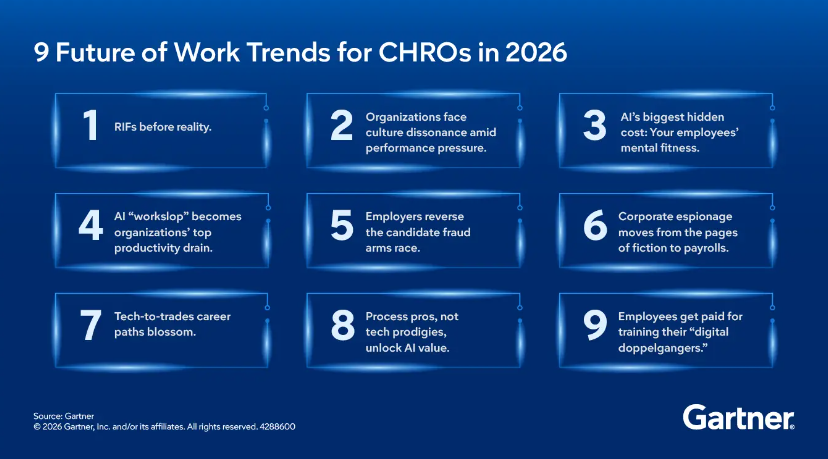
Top Work Ethic Trends Shaping 2026 in Tech
2026 marks the shift to human + AI work ethic. Key trends include:
- Outcome-Focused Over Hours: Gen Z and AI-native workers reject “long hours = productivity.” Success rewards results enabled by automation.
- Anti-Workslop Discipline: AI-generated low-quality output (workslop) drains productivity; strong ethic demands rigorous human oversight and prompt engineering.
- Mental Fitness as Core Competency: AI’s hidden cost is employee mental strain; ethic now includes protecting focus and well-being.
- Ethical AI Fluency: Workers and leaders must govern AI use transparently, avoiding deskilling while maximizing value.
- Distributed Ownership: Flatter structures empower everyone to demonstrate ethic through initiative, not title.
- Continuous Adaptation: Skills half-life shrinks; ethic includes proactive upskilling in human-centric areas like creativity and empathy.
These trends demand intentional cultivation—static training no longer suffices.
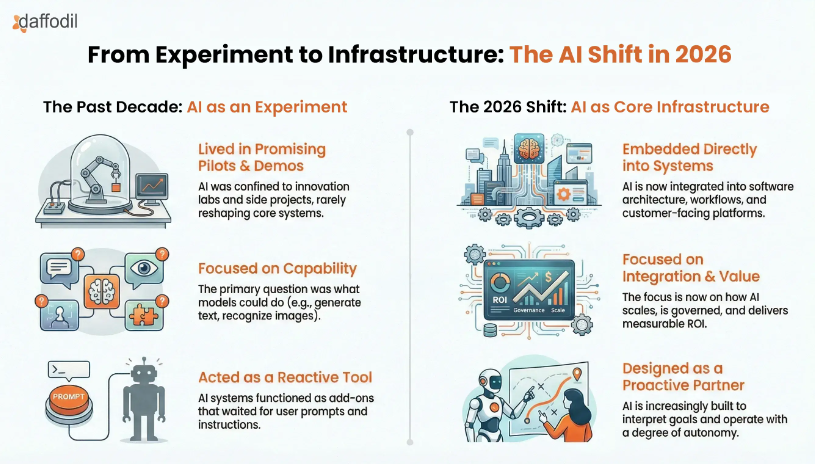
Leveraging Technology to Build Work Ethic: AI as Ethical Partner
AI isn’t replacing work ethic—it amplifies it when used responsibly.
- AI for Automation and Focus: Tools handle repetitive tasks, freeing humans for high-value work.
- Real-Time Feedback Platforms: AI coaches prompt ethical decision-making and productivity patterns.
- Skills Intelligence Dashboards: Identify gaps and recommend micro-learning to sustain ethic.
Top 2026 AI Tools for Work Ethic:
- Microsoft Copilot and Google Gemini for workflow automation.
- Claude and Grok for ethical prompt refinement and creative output.
- Notion AI and Motion for outcome tracking and habit building.
Leaders using these ethically report reduced burnout and faster value creation.
Productive Hacks for Cultivating Work Ethic in 2026
Productivity hacks in 2026 blend AI with disciplined human habits. Here are proven, tech-leader-tested tactics:
- Outcome Definition First: Start every task with “What does success look like?”—then delegate to AI where possible.
- AI-Powered Time Boxing 2.0: Use 90-minute deep-work sprints guarded by AI notification filters.
- Pomodoro with AI Reflection: 25-minute focused bursts followed by AI-generated summaries for quick learning and adjustment.
- Do-Delegate-Delete with AI Assistants: Process inputs instantly; AI drafts delegation briefs or deletes low-value work.
- Ethical AI Audit Ritual: Weekly review of AI outputs for quality, bias, and alignment with values.
- Habit Stacking for Resilience: Pair daily reviews with well-being checks (e.g., AI mood trackers + personal reflection).
Implement these to reclaim hours while modeling sustainable ethic—tech teams report 20%+ efficiency gains without burnout.
Building Brand Authority Through Strong Work Ethic
Work ethic elevates brand authority when made visible:
- Internal Ambassadors: Engaged teams become authentic advocates on LinkedIn and in communities.
- Thought Leadership Content: Share “How we built outcome-focused ethic with AI” stories to attract clients and talent.
- Values Alignment: Transparent ethic signals trust—critical for B2B tech buyers wary of AI hype.
Tech brands that embed ethic into culture see stronger employer branding and customer loyalty.
Step-by-Step Guide to Developing Work Ethic in Tech Teams
- Assess Current State: Use engagement surveys and AI analytics for baselines.
- Define Shared Principles: Co-create outcome-oriented ethic guidelines with input from all levels.
- Integrate AI Ethically: Train on tools while setting guardrails against workslop.
- Embed Daily Hacks: Roll out productivity rituals with manager accountability.
- Measure and Celebrate: Track KPIs like output quality, engagement, and retention.
- Iterate Annually: Refresh based on emerging AI trends and feedback.
- Lead by Example: Executives model the ethic publicly.
Budget allocation: Prioritize 60% culture/tech integration, 40% training per 2026 benchmarks.
Comparison Table: Traditional vs. 2026 Tech-Enabled Work Ethic
| Aspect | Traditional Work Ethic (Pre-2025) | 2026 Tech-Enabled Work Ethic | 2026 Expected Impact |
|---|---|---|---|
| Measurement | Hours worked & visible effort | Outcomes, quality, ethical AI use | 18% higher productivity |
| Focus | Individual grind | Human + AI collaboration & resilience | Reduced $10T global disengagement cost |
| Technology Role | Minimal or distractor | Core partner with human oversight | 56% wage premium for AI-fluent ethic |
| Sustainability | Burnout common | Mental fitness & well-being integrated | 51% lower turnover |
| Brand Link | Internal only | Visible thought leadership & trust signal | Stronger authority & talent attraction |
| Scalability | Limited by personal discipline | Distributed via AI tools & shared principles | Faster innovation & adaptation |
(Data synthesized from Gallup 2026, Deloitte 2026, Gartner, and PwC reports.)
Real-World Case Studies from Tech Leaders
- Microsoft: Satya Nadella’s “Manager as Coach” program built empathy and outcome focus, boosting engagement and AI adoption while maintaining code quality.
- Google: Culture of psychological safety and continuous learning fosters ethic that drives innovation; peer feedback reinforces accountability.
- Salesforce: Values-driven ethic (trust, customer success) embedded in AI workflows creates strong brand authority and retention.
- Atlassian & Others: Outcome-focused rituals and AI integration reduced workslop while scaling distributed teams.
These examples show ethic as a competitive moat.
Common Challenges and Solutions for 2026 Work Ethic
- Challenge: AI-Induced Workslop & Burnout → Solution: Mandatory ethical review rituals and mental fitness metrics.
- Challenge: Measuring Ethic Beyond Hours → Solution: KPI dashboards linking outcomes to engagement.
- Challenge: Generational Gaps → Solution: Co-create guidelines emphasizing efficiency and balance.
- Challenge: Scaling Across Hybrid Teams → Solution: AI tools + regular values alignment sessions.
FAQ: Your Work Ethic Questions Answered for 2026
1. What is the current state of global work ethic/engagement in 2026? Global engagement is at 20%, costing $10 trillion in lost productivity—highlighting the urgent need for modern ethic.
2. How does AI change work ethic? AI shifts ethic from effort to outcomes and ethical oversight, but requires guardrails to prevent deskilling and workslop.
3. What are the top productivity hacks for work ethic in 2026? Outcome-first planning, AI-augmented Pomodoro, ethical audits, and habit stacking deliver sustainable results.
4. Does strong work ethic build brand authority in tech? Yes—through authentic storytelling, talent attraction, and trust signals that differentiate in AI-saturated markets.
5. How can small tech teams build work ethic without big budgets? Start with free AI tools, shared outcome principles, and peer accountability circles.
6. What metrics track work ethic success beyond output? Engagement scores, retention, innovation rates, and well-being indices.
7. Is “hustle culture” dead in 2026? Yes—replaced by smarter, ethical, sustainable performance that leverages AI while protecting human potential.
8. How do leaders model work ethic publicly? Through transparent content on AI use, failures, and lessons—building authenticity and authority.
Conclusion: Your 2026 Work Ethic Action Plan
Work ethic in 2026 is your superpower for thriving amid AI disruption. By adopting outcome-focused, ethically intelligent habits and leveraging productivity hacks, you’ll drive personal success, team performance, and brand authority that sets your tech organization apart.
Start today: Audit your current habits against the 2026 trends, pilot two productivity hacks this week, and share one ethic principle with your team. The professionals and companies that redefine work ethic now will lead the future.







Be First to Comment