
In 2026, leadership development isn’t a nice-to-have—it’s the competitive edge that separates thriving tech organizations from those struggling to keep pace with AI disruption, hybrid work realities, and talent wars. Companies that invest intentionally in leadership development see measurable lifts in productivity, innovation, retention, and market positioning.
This comprehensive guide delivers everything you need: definitions, 2026-specific trends, cutting-edge tech integrations, actionable productivity hacks, brand authority frameworks, implementation steps, real case studies, challenges, a detailed comparison table, and an FAQ section. Whether you’re a tech executive, HR leader, or aspiring manager, you’ll walk away with a blueprint to elevate leadership development in your organization.
What Is Leadership Development in the Tech Era?
Leadership development refers to the intentional process of enhancing the skills, mindsets, confidence and behaviors required to inspire, guide, and empower teams toward organizational goals. In 2026, it has evolved far beyond traditional workshops or annual retreats. It’s a continuous, data-driven, tech-augmented system that blends human-centered skills with AI fluency, adaptability, and ethical decision-making.
Core components include:
- Skill-building: Emotional intelligence, strategic vision, delegation, and relational intelligence.
- Mindset shifts: From command-and-control to distributed, human + AI leadership.
- Behavioral change: Measured through real-time feedback, simulations, and on-the-job application.
- Organizational alignment: Linking individual growth to business outcomes like agility and innovation.
Why the shift? Gallup’s 2026 State of the Global Workplace report reveals only 20% of employees are engaged globally, costing trillions in lost productivity—and managers account for 70% of engagement variance. Strong leadership development directly counters this.
In tech specifically, it addresses unique challenges: rapid AI adoption, remote/hybrid teams, and the need for leaders who can orchestrate human-AI collaboration without eroding trust.
Why Leadership Development Matters for Tech Companies and Brand Authority in 2026
Investing in leadership development delivers exponential ROI. Research consistently shows $4–$7 returned for every $1 spent, with gains in productivity (up 17–23%), profitability (up 21–23%), and reduced turnover (up to 51% in engaged teams).
For tech brands, it’s a brand authority multiplier:
- Internal authority: Strong programs improve talent retention (leaders stay 2.4x longer in organizations with robust pipelines) and foster innovation cultures.
- External authority: Tech leaders who model thought leadership—through blogs, podcasts, or speaking—position their companies as industry authorities. This drives inbound leads, partnerships, and premium talent attraction.
- Market differentiation: In a world of AI hype, human-centered leadership becomes the trust signal consumers and B2B buyers crave. Deloitte’s 2026 Global Human Capital Trends note that human-centric AI approaches outperform tech-only ones by 1.6x on ROI expectations.
HBR’s 2026 trends highlight cultural dissonance as a major risk: misalignment between stated values and reality tanks performance. Effective leadership development bridges this gap, turning leaders into brand ambassadors.
Top Leadership Development Trends Shaping 2026
2026 marks the era of human + AI leadership. Key trends include:
- Human-Centered Leadership as a Performance Driver: Leaders treat teams as whole people. Focus: well-being, empowerment, relational intelligence.
- Continuous Upskilling and Skills Intelligence: The half-life of skills is shrinking. Leaders must embed learning in daily workflows, using AI for real-time gap identification.
- Agility and Adaptive Leadership: Volatility is the norm. Success demands “both/and” thinking and context-switching mastery.
- Distributed Leadership at Every Level: Flatten hierarchies; empower influence regardless of title.
- Sustainability and Ethical AI Fluency: Leaders execute commitments beyond headlines while governing AI risks like deepfakes and cultural debt.
- Bionic Worker and Immersive Tech: AI + human augmentation via VR simulations and AI coaching.
These trends demand programs that are personalized, measurable, and integrated into the flow of work—not bolted-on events.
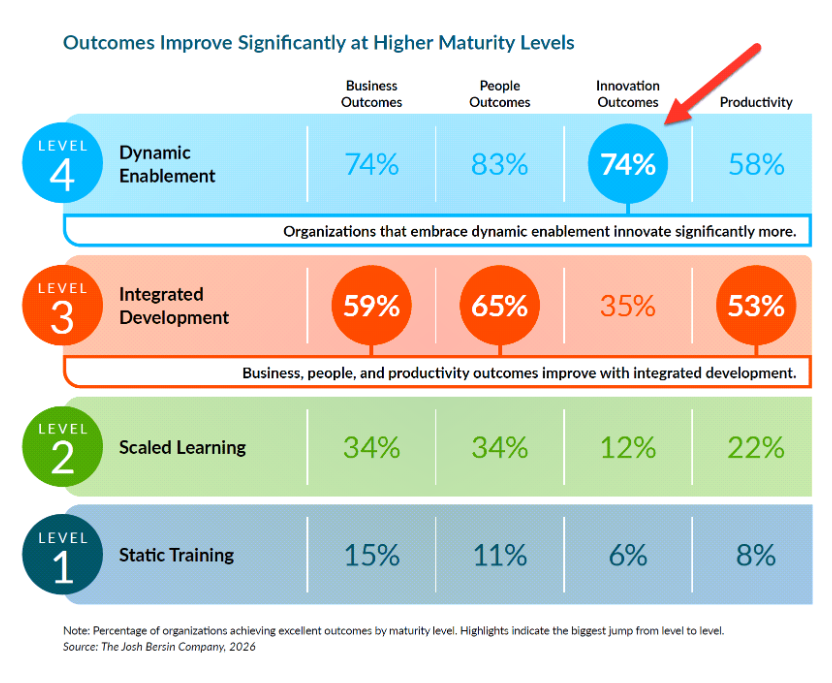
Leadership development infographic showing AI maturity levels and productivity outcomes in 2026. Organizations at higher maturity levels see dramatically better business, people, and innovation results.
Leveraging Technology in Leadership Development: AI, VR, and Beyond
Tech is no longer optional—it’s the accelerator.
- AI Coaching and Personalized Learning: Platforms deliver real-time feedback on communication, decision-making, and presentations. Tools like AI-powered roleplay simulate high-stakes scenarios.
- VR/AR Immersive Simulations: Leaders practice crisis management, difficult conversations, or global team leadership in safe, realistic environments. VR platforms enable “bodyswap” perspective-taking for empathy training.
- Skills Intelligence Platforms: AI maps competencies against future needs, recommending micro-learning in the flow of work.
- Data-Driven Assessments: Real-time analytics link development to business KPIs.
Top 2026 Tools (curated for tech leaders):
- Articulate 360 and Hone for interactive AI courses.
- Edstutia and Virti for AI-VR coaching.
- Enterprise platforms integrating SCORM-compliant immersive modules.
Leaders using these see faster skill acquisition (20–28% boost) and sustained behavior change.
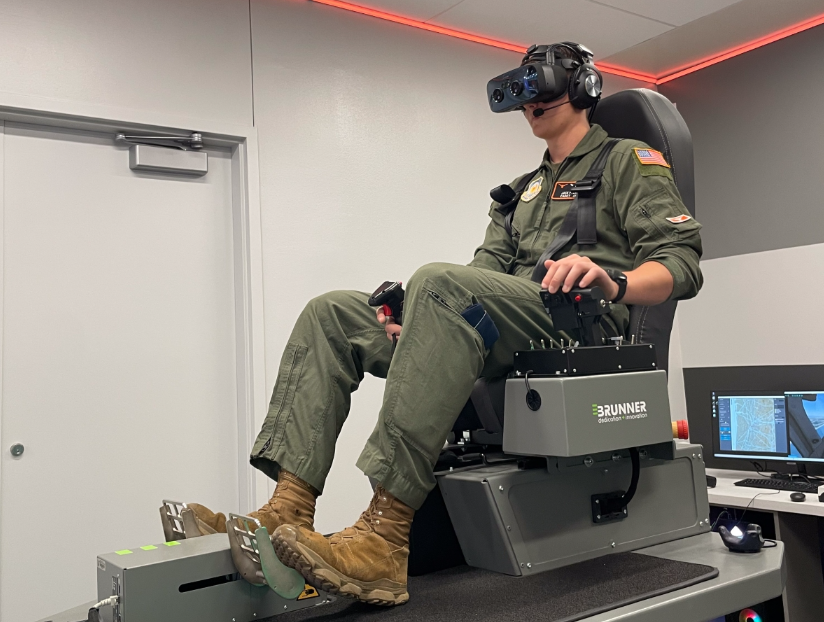
New Virtual Reality Training Experiences Take Flight – Cockrell School of Engineering – University of Texas at Austin
Tech leader in immersive VR training simulation for leadership skills practice—ideal for 2026 remote and hybrid development programs.
Productive Hacks for Leaders: 2026 Edition
Productivity in 2026 is about working smarter with AI, not harder. Here are battle-tested hacks tailored for tech leaders:
- Do, Delegate, Delete Triad: Process every input immediately. Use AI assistants to automate delegation (e.g., generate task briefs).
- Time Boxing + AI Focus Guards: Block deep work in 90-minute sprints. Use AI notification filters and habit-stacking apps.
- Single Daily Goal with OKRs: Align personal and team objectives. AI dashboards auto-track progress.
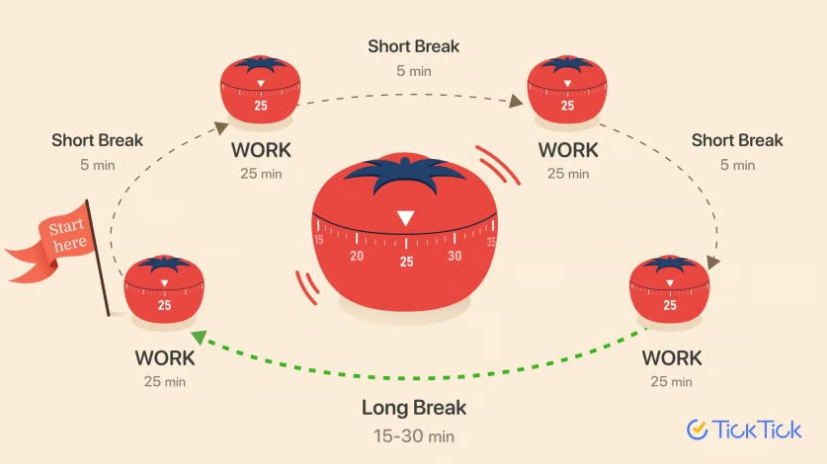
- Pomodoro 2.0: 25-minute focused bursts with AI-generated summaries of breaks for reflection.
- AI-Powered Meeting Hygiene: Auto-transcribe, extract action items, and flag low-value sessions for elimination.
- Habit Stacking for Leadership Rituals: Pair daily 1:1s with AI coaching prompts for personalized feedback.
Implement these and reclaim 10+ hours weekly while modeling productive culture.
Building Brand Authority Through Leadership Development
Leadership development isn’t siloed—it’s a brand asset.
- Thought Leadership Engine: Train leaders to create authentic content (blogs, LinkedIn posts, webinars). This positions the company as the go-to authority in tech.
- Internal Brand Ambassadors: Engaged leaders improve employer branding—reducing recruitment costs and boosting Glassdoor scores.
- External Differentiation: Case studies and leader spotlights (e.g., “How our AI-fluent leaders navigated 2026 disruption”) become powerful marketing assets.
Tech giants leverage this: Leaders who publish on AI ethics or hybrid agility drive inbound interest and partnerships.
Step-by-Step Guide to Implementing a Leadership Development Program in 2026
- Assess Needs: Use AI skills intelligence tools + 360 feedback.
- Define Outcomes: Tie to business KPIs (engagement, revenue impact).
- Design Blended Experiences: 40% immersive tech, 30% coaching, 30% on-the-job application.
- Select Tech Stack: Integrate AI/VR platforms with existing LMS.
- Pilot and Measure: Start small, track ROI via pre/post metrics.
- Scale with Accountability: Mandate manager involvement; link to promotions.
- Iterate Continuously: Annual refresh based on emerging trends.
Budget tip: Allocate 55% in-house, 45% external per 2026 benchmarks.
Comparison Table: Traditional vs. 2026 Tech-Enabled Leadership Development
| Aspect | Traditional (Pre-2025) | 2026 Tech-Enabled Approach | Expected Impact (2026 Data) |
|---|---|---|---|
| Delivery Method | In-person workshops, annual retreats | AI coaching + VR simulations + micro-learning | 20-28% faster skill gains |
| Personalization | One-size-fits-all | AI-driven, real-time adaptive paths | 2.4x higher engagement |
| Measurement | Completion certificates | Real-time KPI dashboards + behavior change tracking | 74% innovation lift at high maturity |
| Focus | Technical skills | Human + AI fluency, relational intelligence | 58% productivity boost |
| Scalability | Limited by trainers | Global, on-demand, distributed | Lower cost per leader |
| ROI Timeline | 12-18 months | 3-6 months with AI augmentation | $4–$7 per $1 invested |
(Data synthesized from Deloitte, Gallup, Josh Bersin, and industry benchmarks.)
Real-World Case Studies from Tech Giants
- Google: Peer feedback, coaching labs, and adaptive programs emphasize ownership. Result: High innovation and retention.
- Amazon: Pathways program rotates high-potentials across functions with leadership tracks. Builds pipeline for directors.
- IBM: AI-powered personalized plans, virtual simulations, and certification paths blend tech and human skills.
- Cisco: Global Leader Program aligns culture, competencies, and business strategy across regions.
- Spotify: Inclusive and crisis leadership modules via app-based programs.
These programs correlate with top-quartile financial performance.
Common Challenges and Solutions
- Challenge: Low Application of Training (75% fail to transfer) → Solution: Embed AI nudges and manager accountability.
- Challenge: AI Resistance/Burnout → Solution: Human-centric design + well-being metrics.
- Challenge: Measuring ROI → Solution: Link to engagement, productivity, and revenue via dashboards.
- Challenge: Budget Constraints → Solution: Start with high-impact pilots (e.g., VR for key cohorts).
FAQ: Your Leadership Development Questions Answered
1. What is the ROI of leadership development in 2026? Approximately $4–$7 returned per $1 invested, with gains in productivity, profitability, and retention.
2. How does AI change leadership development? AI enables personalized coaching, VR practice, and real-time skills intelligence—shifting from static training to dynamic enablement.
3. What are the top leadership skills for 2026? Relational intelligence, adaptability, AI fluency, creative problem-solving, and calm decision-making under volatility.
4. How can small tech teams implement leadership development? Start with free/low-cost AI tools, peer coaching circles, and one quarterly immersive session. Focus on high-leverage hacks.
5. Does leadership development build brand authority? Yes—through thought leadership content, talent attraction, and external storytelling that positions your company as forward-thinking.
6. What tech tools should I prioritize in 2026? AI coaching platforms, VR simulation suites, and skills intelligence dashboards.
7. How do I measure success beyond completion rates? Track behavior change (360 feedback), business KPIs (engagement scores, revenue per employee), and cultural alignment surveys.
8. Is in-person still relevant? Yes—for high-stakes immersion and trust-building, blended with AI/VR for scalability.
Conclusion: Your 2026 Leadership Development Action Plan
Leadership development in 2026 is the ultimate lever for tech success and brand authority. By embracing human-centered, tech-augmented strategies and daily productivity hacks, you’ll build resilient teams, drive innovation, and position your organization as an industry leader.
Start today: Audit your current program against the 2026 trends above, pilot one AI/VR tool, and commit one productivity hack this week. The leaders who act now will own the future.
For custom audits or SEO-optimized leadership content strategies, connect with experts who understand both development and digital authority.







Be First to Comment