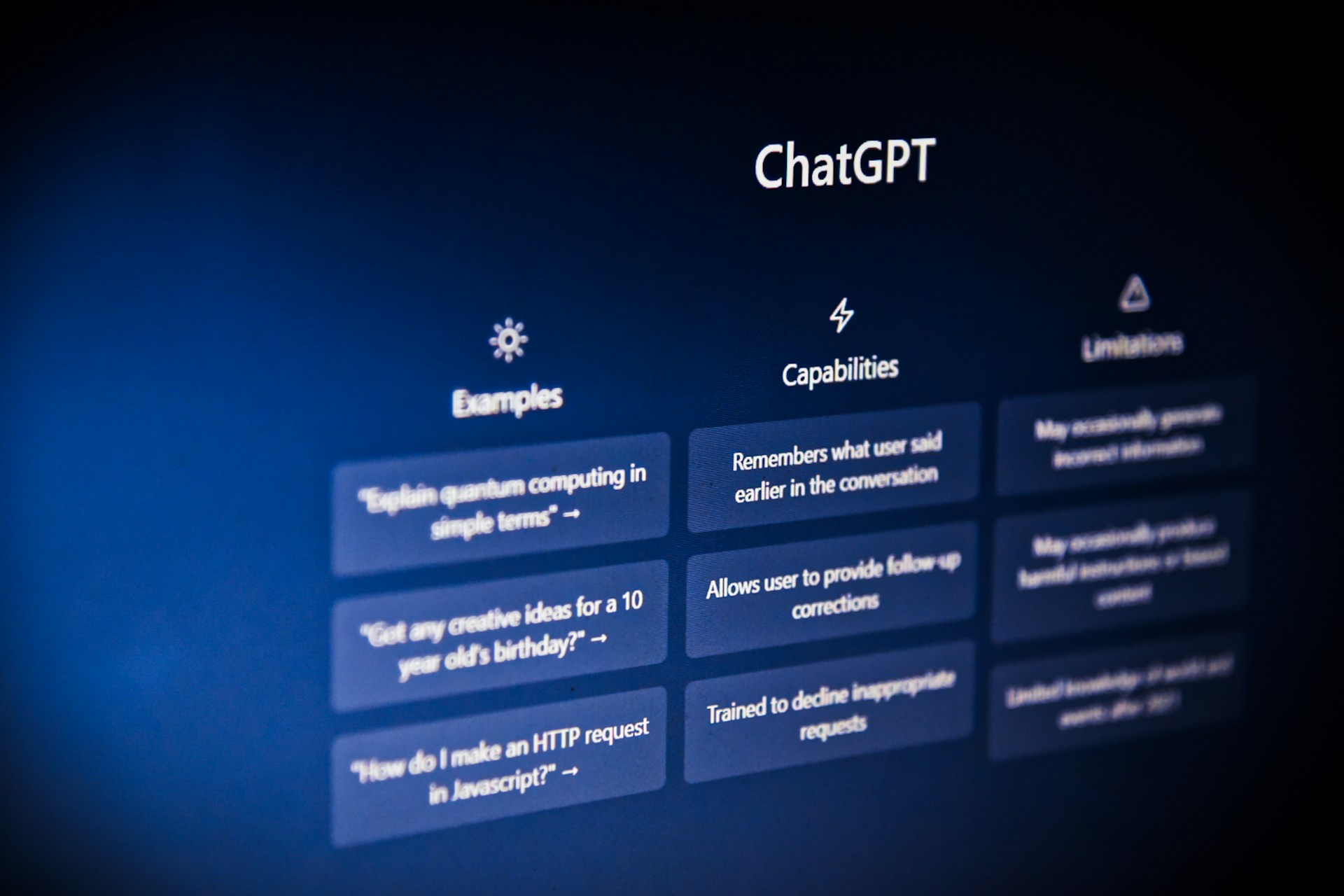
Quick answer: No single person or company owns ChatGPT. ChatGPT is a product of OpenAI Group PBC, a Delaware public benefit corporation. Control sits with the nonprofit OpenAI Foundation, which holds roughly 26% of the equity and the right to appoint the entire board. Microsoft is the largest commercial shareholder at approximately 25–27%. The remaining share is held by employees and other investors (including SoftBank, Amazon, Nvidia, and major venture funds). CEO Sam Altman holds no direct equity stake.
This unusual structure—nonprofit control layered on top of a for-profit operating company—is intentional and has evolved significantly since OpenAI’s founding.
The Current Ownership Structure (Post-October 2025 Recapitalization)
In October 2025, OpenAI completed a major restructuring that remains the foundation of its ownership today:
- The nonprofit became the OpenAI Foundation.
- The for-profit operating company became OpenAI Group PBC (a public benefit corporation required to balance profit with its broader mission).
- The Foundation holds about 26% equity (valued at roughly $130 billion at the time of the recap) plus special governance rights that let it appoint and remove directors of the PBC.
- Microsoft holds roughly 27% (later reported around 25% after further dilution) as the largest outside shareholder. Microsoft has invested approximately $13–13.8 billion since 2019 but holds no board seat.
- The remaining ~47% belongs to current and former employees plus other investors.
Major later investors in 2025–2026 rounds include SoftBank (cumulative investment reaching ~$64.6 billion and roughly 13% ownership after its final tranche in October 2026), Amazon, Nvidia, Thrive Capital, and others. OpenAI has not published a full updated cap table after its large 2026 funding rounds, so exact percentages have shifted slightly through dilution, but the control structure (Foundation governance) has stayed consistent.
Key point: Equity ownership and governance control are deliberately separated. Microsoft and other investors have large economic stakes, but the nonprofit Foundation retains ultimate authority over the company.
Who Does Not Own ChatGPT
- Sam Altman does not own equity in OpenAI. He is CEO and sits on the Foundation board, but his personal wealth comes primarily from outside investments.
- Elon Musk co-founded OpenAI in 2015 but left the board in 2018 and has no ownership stake. He has since founded xAI (now under SpaceXAI) as a competitor.
- Microsoft does not own or control OpenAI, despite its large investment and deep commercial partnership (Azure compute, model rights, revenue share, and integration into Copilot products).
ChatGPT itself is simply a product. Legal ownership flows through OpenAI’s operating subsidiaries up to OpenAI Group PBC, which is controlled by the Foundation.
How OpenAI’s Structure Compares to Other Major AI Labs
Understanding who owns the leading AI systems requires looking beyond ChatGPT:
| AI Product | Company / Entity | Ownership / Control Structure | Key Backers / Controllers | Public or Private |
|---|---|---|---|---|
| ChatGPT | OpenAI Group PBC | Nonprofit Foundation (26% + full board control) | Microsoft (~25–27%), SoftBank, employees, others | Private |
| Claude | Anthropic (PBC) | Board + Long-Term Benefit Trust + founders | Amazon, Google, other investors | Private |
| Gemini | Alphabet / Google DeepMind | Public company; dual-class shares give founders outsized voting power | Larry Page & Sergey Brin (via Class B shares) | Public (Alphabet) |
| Grok | SpaceXAI (formerly xAI) | Controlled by Elon Musk via SpaceX acquisition | Elon Musk / SpaceX | Private |
| Meta AI / Llama | Meta Platforms | Public company; dual-class shares give founder control | Mark Zuckerberg | Public |
This landscape shows a clear pattern: the leading frontier labs use structures that separate pure profit motives from mission or founder control (nonprofit oversight at OpenAI, benefit corporation + trust at Anthropic, dual-class shares at Google and Meta, direct founder control at SpaceXAI).
For a practical side-by-side of how these systems actually perform for users and founders, see our detailed comparison: ChatGPT vs Claude vs Gemini 2026.
Why the Structure Matters
OpenAI’s hybrid model was designed to raise the enormous capital required for frontier AI research while trying to keep the original mission (ensuring AGI benefits humanity) from being subordinated to pure shareholder returns. The October 2025 conversion removed the old “capped-profit” limits that had constrained fundraising, allowing much larger investments while preserving Foundation control.
Critics argue the structure still creates tensions between commercial pressure and safety/mission priorities. Supporters point to the Foundation’s board appointment rights and the public-benefit corporation form as meaningful safeguards. The structure has been tested by high-profile events, including the 2023 board crisis involving Sam Altman and ongoing legal challenges from Elon Musk.
For the chronological record of OpenAI’s structural changes, model releases, and major funding events, see The Complete 2026 AI Timeline.
Practical Implications for Users and Businesses
- You cannot “buy” ChatGPT stock directly. OpenAI remains private. Indirect exposure exists through Microsoft (MSFT), SoftBank, Amazon, Nvidia, and other public shareholders in the investor group.
- Microsoft’s partnership gives it preferential access to models and deep product integration (Copilot, Azure OpenAI Service), which is why many enterprises encounter OpenAI technology through Microsoft rather than the ChatGPT consumer interface.
- Ownership and control affect long-term priorities: model release cadence, safety decisions, pricing, and enterprise terms can all be influenced by who ultimately governs the company.
Adoption statistics and market context appear in our broader industry overview: The State of AI in 2026.
Frequently Asked Questions
Does Microsoft own ChatGPT?
No. Microsoft is the largest commercial shareholder (roughly 25–27%) and a critical partner, but it does not control the company and has no board seat.
Does Sam Altman own OpenAI?
No. He holds no disclosed equity stake in OpenAI itself.
Is OpenAI a nonprofit?
The controlling entity is a nonprofit (OpenAI Foundation). The operating company that builds and sells ChatGPT is a for-profit public benefit corporation.
Can OpenAI go public?
The current structure makes an eventual IPO possible, though none has been announced. Any public offering would still need to navigate the Foundation’s governance rights.
Who owns the other major AI chatbots?
Claude is owned by Anthropic, Gemini by Alphabet/Google, Grok by SpaceXAI (Elon Musk), and Meta AI by Meta Platforms. Each uses a different ownership and control model.
Bottom Line
ChatGPT is owned by OpenAI Group PBC and controlled by the nonprofit OpenAI Foundation. Microsoft is the biggest outside shareholder but does not run the company. The structure is deliberately complex—designed to balance the need for massive capital with a mission-oriented governance layer—and it remains one of the most closely watched corporate arrangements in technology.
Ownership continues to evolve with new funding rounds. For the latest model comparisons and practical guidance on choosing among ChatGPT, Claude, Gemini, and others, explore our related guides on LA Tech Post.





Be First to Comment