Maintaining a unified brand identity across multi-channel content is a massive challenge for scaling marketing teams. While generative artificial intelligence has streamlined content production, raw AI models frequently generate generic, uninspired copy that dilutes a company’s distinct tone.
To combat this, platforms have developed dedicated context environments designed to anchor AI text generation to specific brand styles. Two of the most prominent solutions available today are Jasper AI’s enterprise-grade governance engine and OpenAI’s ChatGPT Projects.
Choosing the wrong framework can lead to fragmented messaging, disjointed styling, or hours wasted manually correcting generic output. This head-to-head comparison tests both platforms on memory retention, style enforcement, team collaboration, and overall scalability.
- Choose Jasper AI if: You manage a scaling marketing team that requires multi-channel campaign automation, native style guides, and enterprise-grade asset management.
- Choose ChatGPT Projects if: You are an independent creator or agile startup looking for a flexible, cost-effective, custom-prompted knowledge base for a single workspace.
The Core Technical Differences
Understanding how both tools handle background information is critical to scaling your content output without losing your identity.
- Jasper AI Primary Focus: Corporate Brand Governance & Workflows
- ChatGPT Projects Primary Focus: Flexible Workspace Knowledge Bases
- Jasper AI Style Enforcement: Automated via integrated Style Guides
- ChatGPT Projects Style Enforcement: Prompt-driven via Instructions
- Jasper AI File Storage Limits: Unlimited asset uploads
- ChatGPT Projects File Storage Limits: Up to 20 files per project workspace
- Jasper AI Team Collaboration: Multi-tier approval workflows
- ChatGPT Projects Team Collaboration: Shared workspaces (Team plan required)
- Jasper AI Integration Support: Full API, browser extensions, CMS sync
- ChatGPT Projects Integration Support: Limited to API or Custom GPT creation
Can ChatGPT Projects Fully Replace Jasper AI for Brand Guidelines?
The short answer is no for enterprise teams, but yes for agile creators.
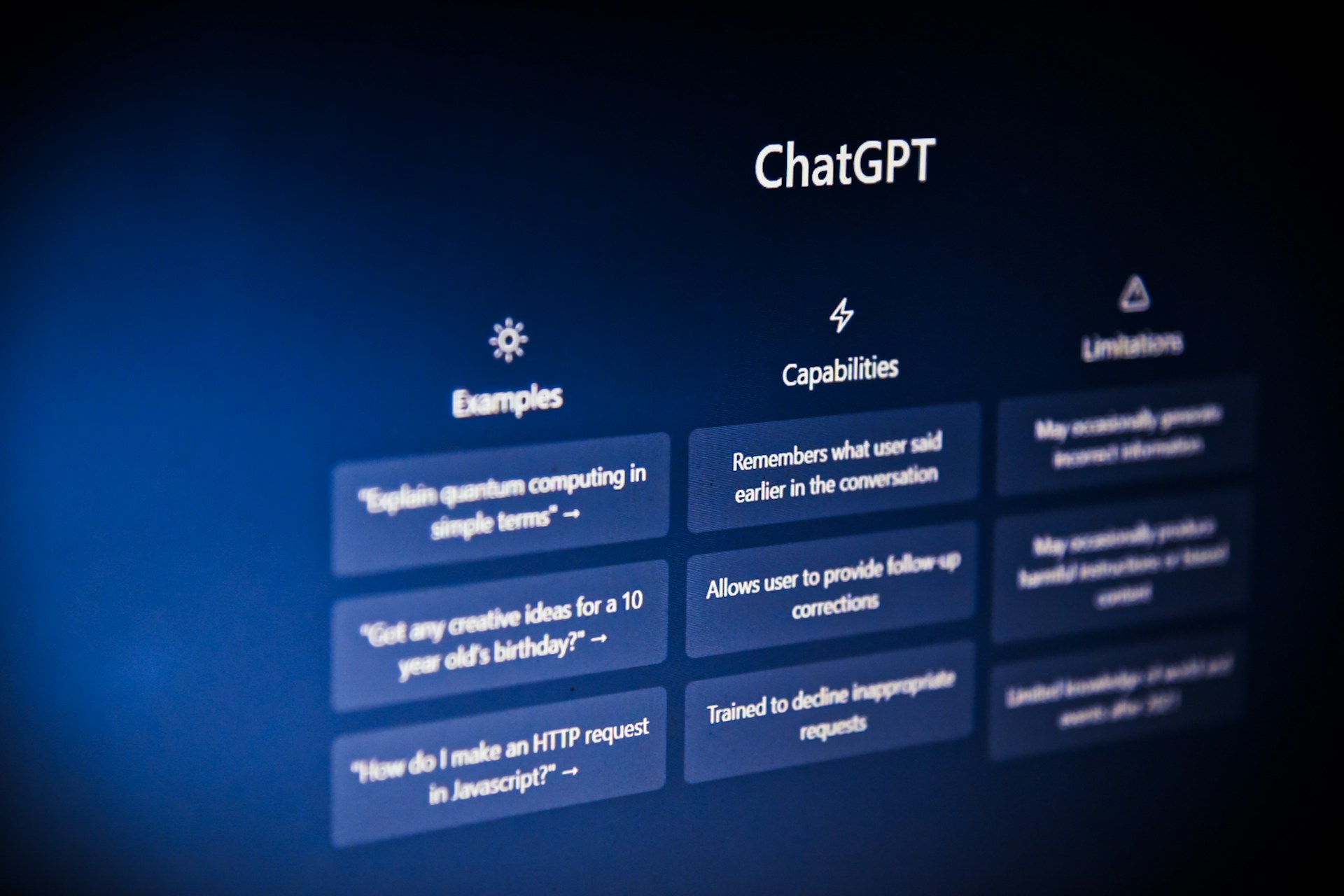
ChatGPT Projects allows users to upload up to 20 contextual documents—such as existing brand guidelines, copy samples, and target audience persona profiles—directly into an isolated workspace. This creates a focused reference pool for the model.
However, ChatGPT relies heavily on prompt architecture to enforce these rules. If a prompt lacks explicit, rigid constraints, the underlying LLM can drift back toward its baseline default tone.
- ChatGPT Projects Framework: [ Your Brand Assets ] ──> [ ChatGPT Projects ] ──> Requires heavy manual prompting to prevent tone drift
- Jasper Style Guides Framework: [ Your Brand Assets ] ──> [ Jasper Style Guides ] ──> Automated guardrails block off-brand copy natively
Jasper AI takes a fundamentally different structural approach by isolating style settings from the main prompt field. It employs a dedicated, algorithmic brand governance engine. Instead of relying on a document upload to indirectly guide a prompt, Jasper utilizes native fields for specific style rules, explicit lists of forbidden words, and structural compliance frameworks.
This architectural separation ensures that regardless of who on your marketing team writes the prompt, the final output remains locked inside your approved brand parameters.
How Do You Train ChatGPT Projects on Your Specific Brand Voice?
To achieve maximum output consistency inside ChatGPT Projects, you must structure your training data into three distinct layers:
- The Core Identity Document: Upload a foundational markdown file outlining your mission, core tone descriptors (e.g., confident but never arrogant), and structural requirements.
- The “Before and After” Matrix: Provide real text examples. Show a piece of generic AI copy alongside an edited version that reflects your authentic brand voice to teach the system how to rewrite.
- The Custom Project Instructions: Program the background instruction box with clear rules on formatting, structural constraints, and syntactic limits.
Jasper AI vs ChatGPT: Cost, Scalability, and Team Workflows
When evaluating the financial and operational efficiency of these platforms, consider how your team actually produces content on a daily basis.
ChatGPT Projects Cost and Structure
- Pricing Model: Included in ChatGPT Plus ($20/month per user) or Team ($25/month per user, billed annually).
- Scalability Bottleneck: Managing multiple distinct product lines requires setting up isolated Projects for each line. Because assets cannot easily sync across separate project spaces, large-scale cross-functional updates can quickly lead to fragmented workflows.
Jasper AI Cost and Structure
- Pricing Model: Custom tiering tailored for enterprise and mid-market growth teams.
- Scalability Advantage: Jasper features centralized asset management. If your company updates its core positioning statement or visual terminology, you change it once in the central Style Guide, and it instantly updates across every template, workspace, and team seat.
Furthermore, Jasper offers native, multi-tiered approval workflows. Content managers can review, edit, and approve drafts inside the platform before they are pushed to production, creating an effective safety net against off-brand AI hallucinations.
The Verdict: Which Platform Should Your Business Deploy?
The right decision depends entirely on your content volume, budget structure, and organizational scale:
- Deploy ChatGPT Projects if: You are an individual marketer, founder, or small agency managing fewer than three distinct brand voices. It offers a powerful, flexible, and affordable framework for keeping your content aligned with basic brand rules without requiring a massive software commitment.
- Deploy Jasper AI if: You operate a mid-to-large marketing team, manage complex product portfolios, or require strict brand compliance across multiple departments. Its structural style guardrails, centralized asset management, and enterprise-grade collaboration features justify the higher cost by heavily reducing editing time and protecting your brand identity at scale.







Be First to Comment