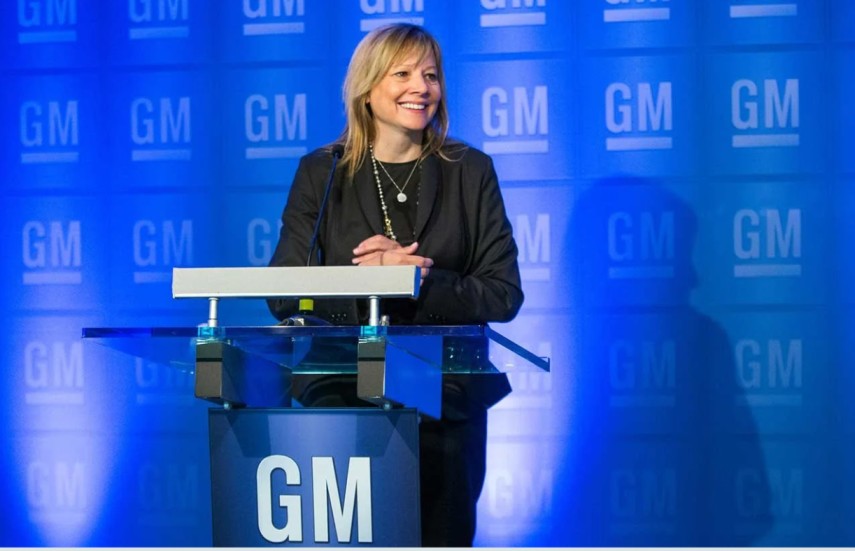
Mary Barra, the trailblazing CEO of General Motors, has staked the future of America’s iconic automaker on an all-electric vision. As the first woman to lead a major global automaker, she has guided GM through ambitious investments in the Ultium battery platform, a bold 2035 all-EV goal (later adjusted), and a massive push into software-defined vehicles. Proponents hail her as a visionary steering the industry toward sustainability and technological leadership. Critics, however, argue her aggressive EV bet has led to billions in losses, production setbacks, strategic retreats, and questions about whether she is accelerating GM’s decline in a market that isn’t fully ready.
In 2026, with EV demand softening, incentives fading, and hybrids making a comeback, Barra’s gamble is under intense scrutiny. This in-depth analysis examines her leadership, GM’s EV strategy, financial realities, competitive positioning, and long-term implications. Is she positioning GM for dominance in the future of mobility—or risking the company’s legacy on a premature transition?
Mary Barra: From Assembly Line to the Corner Office
Born in 1961 in Waterford, Michigan, Mary Teresa Barra (née Makela) grew up immersed in the auto industry. Her father worked as a die maker at GM’s Pontiac plant. She joined GM herself through a co-op program while studying electrical engineering at Kettering University, later earning an MBA from Stanford.
Barra rose through the ranks with a reputation for operational excellence:
- Roles in manufacturing, HR, and product development.
- Executive Vice President of Global Product Development.
- CEO in January 2014, also serving as Chair since 2016.
Her tenure began amid crisis: the ignition switch recall scandal that claimed over 100 lives. Barra faced congressional hearings, implemented cultural reforms emphasizing safety and accountability, and focused on streamlining operations. She cut costs, exited unprofitable markets, and emphasized profitability.
Under her leadership, GM has delivered strong truck and SUV profits while investing heavily in future technologies. She has consistently ranked among the world’s most powerful women in business by Fortune and Forbes. Yet her legacy increasingly hinges on the EV transition.
The EV Gamble: Ultium, Bold Goals, and Strategic Shifts
In 2021, GM announced plans for an all-electric future by 2035, with a target of 1 million EV units annually by 2025-2026. Central to this was the Ultium battery platform—a flexible, modular system promising lower costs, faster development, and vehicles ranging from affordable compacts to high-performance trucks.
Key moves:
- Billions invested in battery plants (joint ventures with LG).
- Launches including the Chevrolet Bolt revival, Silverado EV, Blazer EV, Cadillac Lyriq/Optiq/Vistiq, GMC Hummer EV, and more.
- Software and autonomy pushes via Cruise (though scaled back after incidents).
By 2025-2026, realities forced adjustments. Regulatory rollbacks under the Trump administration, expiration of the $7,500 federal tax credit, and slowing consumer demand prompted GM to slow pure EV ramp-up, sell stakes in some battery plants, pivot Orion Assembly back to gasoline trucks, and develop hybrids/PHEVs.
Barra has remained pragmatic yet committed: “EVs are the end game” and GM’s “North Star,” but the company will offer hybrids and maintain strong ICE leadership in trucks/SUVs while adapting to market signals.
Performance Metrics: Wins, Losses, and Market Position
Positive Results:
- GM achieved record EV sales in 2025: 169,887 units in the U.S., up 48% YoY, securing #2 position behind Tesla.
- Strong performers like the Silverado EV and resilient Sierra EV sales.
- Leadership in full-size trucks extended to EV variants.
- Progress toward EV profitability in targeted segments.
Challenges and Setbacks:
- Q4 2025 EV sales dropped sharply (43% YoY in some reports) after tax credit expiration.
- Billions in EV-related losses and write-downs industry-wide; GM adjusted capacity plans.
- Slower-than-expected adoption due to price, charging infrastructure, and range anxiety.
- Competition from Tesla (dominant share), Chinese manufacturers, and legacy rivals pivoting to hybrids.
GM remains #1 in overall U.S. sales thanks to profitable ICE vehicles, but the EV transition has strained resources and required course corrections.
Leadership Style: Visionary or Out of Touch?
Strengths:
- Long-term thinking and resilience amid political and market shifts.
- Focus on customer choice and superior products.
- Cultural transformation post-recall.
- Advocacy for U.S. competitiveness against China in EVs.
Criticisms:
- Over-reliance on regulatory tailwinds that vanished.
- Aggressive timelines that led to costly pivots.
- Perceived disconnect from consumer preferences for trucks, hybrids, and affordable options.
- Questions about execution speed compared to nimbler competitors.
As a female pioneer in a male-dominated industry, Barra has faced extra scrutiny, but her decisions are judged on results.
Broader Industry Context: Leading or Trailing the Pack?
The auto industry is in flux. Global EV sales continue growing (projected 20M+ in 2025), but the U.S. lags with ~6-10% share amid incentive changes. China dominates production and exports. Tesla leads innovation and scale, while Ford, Hyundai, and others adjust strategies.
GM’s hybrid pivot and dual-path approach (ICE + EV) mirrors industry pragmatism. Barra argues EVs will win long-term as prices drop and infrastructure improves, but short-term realities demand flexibility.
Financial and Stakeholder Impact
GM’s stock and profitability have been supported by strong truck sales, but EV investments have pressured margins. Shareholder pressure for returns, UAW negotiations, and dealer concerns add complexity. Barra’s balancing act aims to protect core business while investing in the future.
Lessons and Future Outlook
Barra’s gamble highlights the tension between visionary leadership and market timing. Success depends on:
- Affordable, desirable EVs.
- Charging network expansion.
- Software revenue streams.
- Hybrid bridge strategy.
By 2030+, if EVs become the superior choice as she predicts, GM could emerge stronger. If the transition drags or hybrids dominate longer, critics may claim the bet was too costly.
Balanced Verdict: Bold Leadership in Uncertain Times
Mary Barra is neither purely leading the industry to salvation nor single-handedly killing GM. She has demonstrated resilience, adaptability, and a commitment to innovation in a volatile landscape. GM’s #2 EV position and record sales show progress, but billions in adjustments and slowed ambitions reveal execution risks and external headwinds.
Her tenure underscores a fundamental truth: Legacy automakers must transform while protecting profitable cores. Barra’s pragmatic evolution—EVs as the long-term “end game” with hybrids and ICE as bridges—may prove wise. Whether it cements her as a transformative CEO or a cautionary tale will unfold over the coming decade.
For GM stakeholders, the message is clear: The gamble continues, but with eyes wide open to consumer demands and economic realities. In the auto industry’s electrification journey, Mary Barra remains a pivotal figure—steering through storms with a mix of conviction and course correction.







[…] Mary Barra’s EV Gamble- Is GM’s Female CEO Leading the Auto Industry or Killing It? […]